

Meta Description
Struggling with belly fat, stress, and poor sleep? Discover how high nighttime cortisol may secretly block weight loss and what people are using in 2026.
You’re Eating Less… So Why Does Your Belly Keep Growing?
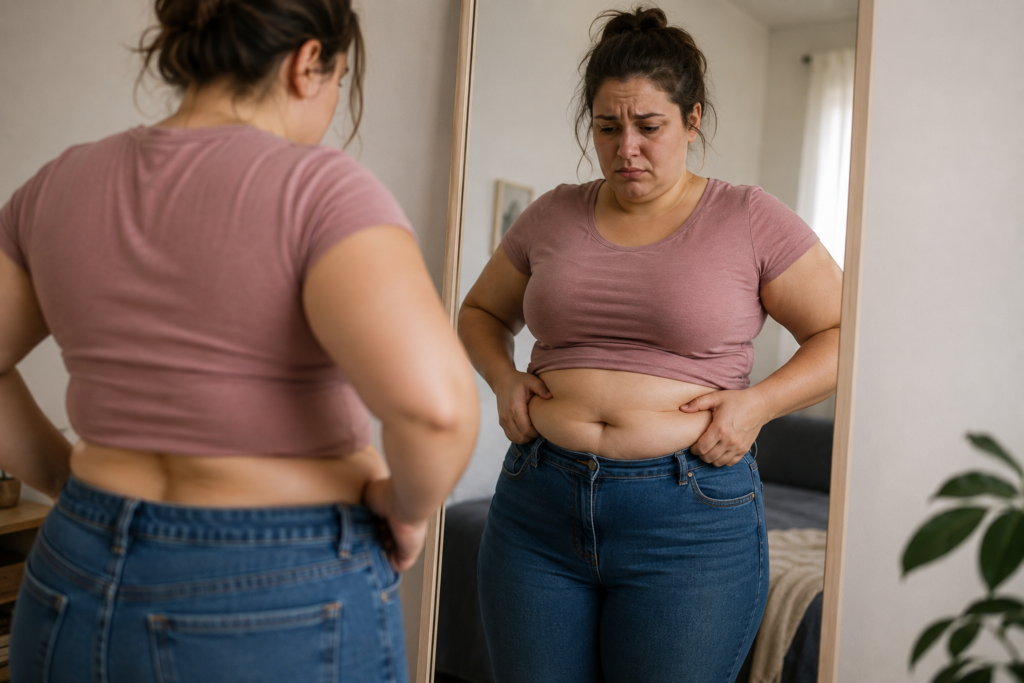
You look in the mirror every morning wondering why your belly keeps getting bigger even when you barely eat anymore.
Your jeans feel tighter.
Your energy feels lower.
You promise yourself every week that this time things will finally change.
But deep down, frustration keeps growing.
Because no matter how hard you try:
- the cravings return;
- the bloating stays;
- the stress never stops;
- and the weight keeps coming back.
And the worst part?
Most people blame themselves without realizing their body may be trapped in chronic stress mode every single night.
For millions of adults between 30 and 55, the real problem may not simply be calories.
It may be high nighttime cortisol silently working against weight loss behind the scenes.
In 2026, more people are finally discovering the hidden relationship between:
- stress,
- poor sleep,
- hormones,
- emotional eating,
- and stubborn belly fat.
And for many, this discovery changes everything.
Why Diets Fail for So Many People After 30
One of the biggest lies people are told is:
“Just eat less and move more.”
But if it were really that simple, millions of exhausted people wouldn’t still be struggling every day.
Many people feel ashamed because they believe their lack of progress is their fault.
They try:
- low-carb diets;
- calorie counting;
- fasting;
- intense workouts;
- detox teas;
- appetite suppressants.
Yet the belly fat remains.
Over time, this becomes emotionally exhausting.
You stop feeling comfortable in your clothes.
You avoid mirrors.
You stop taking pictures.
You feel embarrassed in social situations.
And slowly, your confidence disappears.
What many people don’t realize is that stress hormones may quietly affect:
- metabolism;
- cravings;
- sleep quality;
- and fat storage.
Especially at night.
What Is Cortisol and Why Is Everyone Talking About It in 2026?
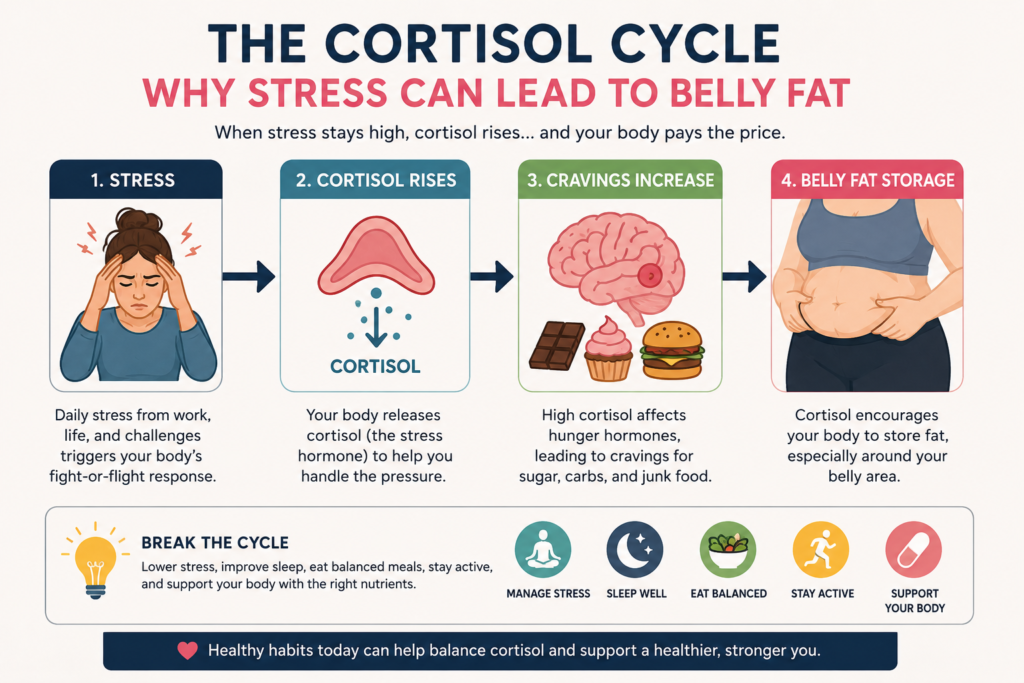
Cortisol is commonly known as the stress hormone.
Your body naturally produces cortisol to help regulate:
- energy;
- blood sugar;
- metabolism;
- sleep cycles;
- inflammation;
- and stress response.
In healthy amounts, cortisol is necessary.
But modern life keeps many people in a constant state of stress.
Deadlines.
Financial pressure.
Poor sleep.
Anxiety.
Emotional exhaustion.
Phone screens before bed.
Constant mental overload.
The body never truly relaxes anymore.
As a result, many wellness experts believe elevated nighttime cortisol may contribute to:
- stress weight gain;
- stubborn belly fat;
- emotional eating;
- poor recovery;
- and nighttime cravings.
The Hidden Signs Your Cortisol May Be High at Night
Many people suffer from high cortisol symptoms without even knowing it.
Because the symptoms often feel “normal.”
But they’re not.
You Wake Up Exhausted
Even after sleeping 7 or 8 hours, you still wake up tired.
Your body never fully recovers.
You Crave Sugar Late at Night
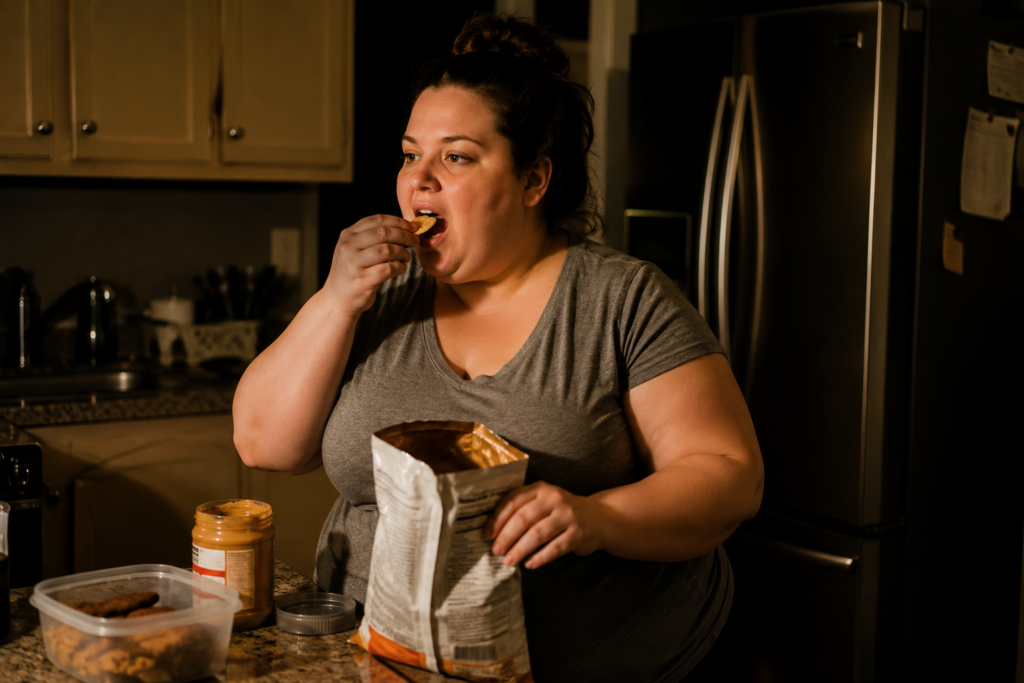
You tell yourself you’ll avoid snacks…
But suddenly you’re in the kitchen looking for chocolate, bread, or sweets.
Again.
Your Belly Fat Feels Impossible to Lose
Especially lower belly fat that seems resistant to everything.
This is one reason many people search online for:
- cortisol belly fat;
- belly fat hormone;
- and stress weight gain.
You Feel Anxious at Night
Your body feels tired, but your mind refuses to shut off.
You replay conversations.
You overthink everything.
You feel mentally “awake” even when exhausted.
Your Clothes Feel Tighter Every Month
And this creates emotional pain many people rarely talk about.
The frustration.
The embarrassment.
The fear of gaining more weight every year.
Many people quietly suffer in silence while blaming themselves daily.
“As awareness around stress weight gain continues growing in 2026, thousands of people are now looking for nighttime solutions that may support better sleep, reduced cravings, and healthier metabolism.”
👉 See Why Sleep Lean Is Trending in 2026
And the Worst Part? Stress Can Quietly Get Worse With Age
Ignoring nighttime cortisol for years may quietly make weight management harder and harder with age.
Especially after 35.
This is why many people suddenly feel:
- slower metabolism;
- stronger cravings;
- stubborn bloating;
- and increasing belly fat.
Even if they aren’t eating dramatically more.
Because hormones, sleep, and stress become deeply connected over time.
Why High Cortisol at Night May Block Weight Loss
When cortisol stays elevated at night, the body may remain stuck in survival mode.
Instead of focusing on recovery and fat burning, the body may prioritize:
- energy conservation;
- appetite stimulation;
- and fat storage.
Especially around the abdomen.
This is why so many people struggling with chronic stress feel like their body is “working against them.”
And unfortunately, poor sleep makes this even worse.
Why Sleep Matters More Than Most Diets
This is one of the biggest wellness conversations happening in 2026.
Because many experts now believe:
sleep and weight loss are deeply connected.
When sleep quality suffers, the body may experience:
- more cravings;
- increased hunger;
- poor impulse control;
- fatigue;
- emotional eating;
- and slower metabolism at night.
This creates a dangerous cycle.
Poor sleep increases stress.
Stress increases cravings.
Cravings increase weight gain.
Weight gain increases emotional stress.
And the cycle repeats again and again.
Many People Spent Years Blaming Their Diet
Many people say they spent years blaming their diet before realizing stress and poor sleep were silently working against them every night.
That’s one reason many people are now exploring nighttime wellness formulas designed to support deeper sleep, reduced cravings, and healthier metabolism at night.”
And honestly…
That realization can feel emotional.
Because after years of self-criticism, many people finally realize:
“Maybe I’m not lazy. Maybe my body is overwhelmed.”
That emotional shift matters.
Why Nighttime Cravings Feel Impossible to Control
Late-night cravings are not always about lack of discipline.
Stress hormones may affect:
- hunger hormones;
- dopamine balance;
- blood sugar regulation;
- and emotional eating behavior.
This is why many people feel “out of control” at night.
Especially after stressful days.
And unfortunately, emotional eating often creates:
- guilt;
- shame;
- anxiety;
- and lower self-esteem.
Many people end the night frustrated with themselves.
Only to repeat the cycle the next day.
How to Lower Cortisol Naturally at Night
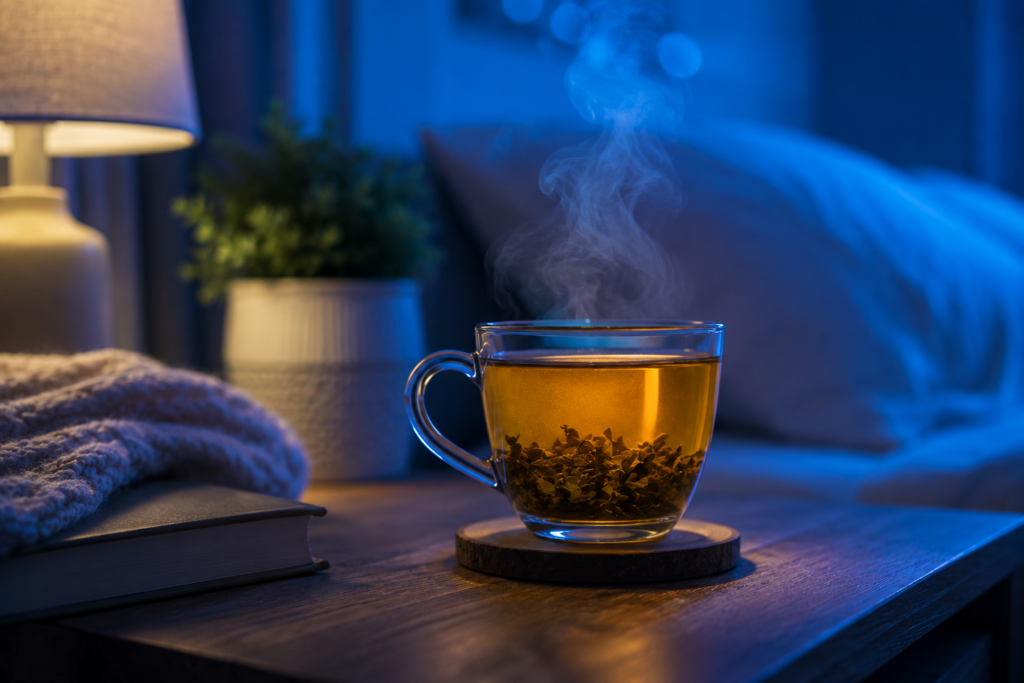
The good news?
Small nighttime habits may help support healthier cortisol balance naturally.
And for many people, improving sleep quality becomes the missing piece.
1. Reduce Sugar Before Bed
Sugar spikes late at night may increase:
- cravings;
- energy crashes;
- and nighttime hunger.
Reducing processed sugar may help support more stable nighttime energy.
2. Create a Relaxing Night Routine
Your brain needs signals that it’s safe to relax.
Simple habits may help:
- dim lights;
- calming music;
- stretching;
- journaling;
- meditation;
- reading.
3. Avoid Screens Before Sleeping
Blue light exposure may affect melatonin production and sleep quality.
Many sleep experts recommend reducing screen exposure before bedtime.
4. Support Relaxation With Magnesium
Magnesium has become one of the most popular nighttime wellness minerals in 2026.
Many people report feeling calmer and more relaxed before bed when supporting magnesium intake.
5. Prioritize Deep Sleep
Deep sleep fat loss discussions have exploded online recently.
Why?
Because deep sleep supports:
- recovery;
- hormone balance;
- metabolism;
- appetite regulation;
- and nighttime fat burning.
- “Many people report that improving sleep quality became the missing piece in finally feeling more in control of cravings, stress eating, and nighttime metabolism.”
👉 Discover How Sleep Lean Supports Better Sleep and Nighttime Metabolism
Without quality sleep, the body may struggle to properly recover and regulate cravings.
What Thousands of People Are Using in 2026
As more people learn about the relationship between:
- cortisol and sleep;
- stress weight gain;
- nighttime cravings;
- and metabolism,
nighttime wellness supplements have exploded in popularity.
Especially formulas focused on:
- sleep support;
- stress reduction;
- appetite control;
- and overnight metabolism support.
And one product getting massive attention online in 2026 is Sleep Lean.
Why Sleep Lean Is Getting So Much Attention
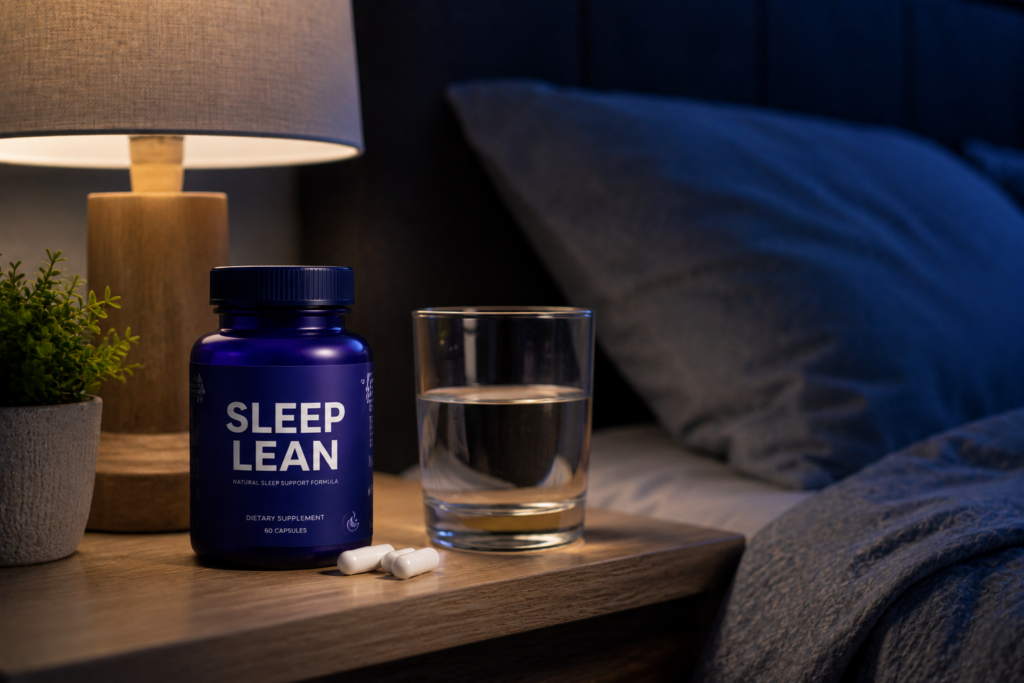
“Thousands of people struggling with stress weight gain, nighttime cravings, and poor sleep are now turning to nighttime wellness formulas like Sleep Lean as part of their evening routine.”
👉 See Why Sleep Lean Is So Popular in 2026
That’s why thousands of people struggling with stress weight gain are now turning to nighttime formulas like Sleep Lean to support deeper sleep, reduced cravings, and overnight metabolism support.
Unlike aggressive stimulant fat burners, nighttime formulas are designed to work with the body’s nighttime recovery process.
Many users report being interested in Sleep Lean because it may help support:
- relaxation before bed;
- improved sleep quality;
- reduced nighttime snacking;
- calmer evenings;
- and healthier nighttime routines.
And in 2026, more people are realizing something important:
Sometimes the problem isn’t motivation.
Sometimes the body simply never feels rested.
Why This Approach Feels Different for So Many People
Traditional weight loss advice often focuses only on:
- restriction;
- calorie counting;
- punishment;
- and exhausting workouts.
But people are burned out.
Emotionally and physically.
That’s why many adults are now shifting toward:
- stress support;
- hormonal balance;
- sleep optimization;
- and sustainable nighttime routines.
This newer approach feels more realistic.
More compassionate.
And for many people, more sustainable long-term.
The Emotional Reality of Stress Weight Gain
One of the hardest parts of weight struggles is emotional isolation.
People often feel:
- ashamed;
- unattractive;
- exhausted;
- and hopeless.
They avoid tight clothes.
They avoid social events.
They stop feeling confident in their own body.
And every failed diet makes the emotional burden heavier.
But what many people never hear is this:
chronic stress may silently affect the body every single night.
That realization alone has helped many people stop blaming themselves so harshly.
Benefits Many Users Report
While individual results vary, many users report benefits such as:
- deeper sleep;
- reduced nighttime cravings;
- less bloating;
- calmer evenings;
- improved morning energy;
- healthier nighttime habits;
- and support for nighttime metabolism.
Many users also report feeling emotionally better simply because they finally feel more in control of their evenings again.
And emotionally, that matters.
First Soft CTA
If stress, cravings, poor sleep, and stubborn belly fat sound familiar, learning more about nighttime metabolism support formulas like Sleep Lean may help you better understand why so many people are exploring this approach in 2026.
Why More People Are Focusing on Sleep Instead of Extreme Dieting
Extreme dieting often creates:
- stress;
- frustration;
- emotional eating;
- and rebound weight gain.
This is one reason why many experts now believe sleep quality deserves far more attention in modern wellness discussions.
Because when the body feels constantly stressed and sleep-deprived, sustainable weight management becomes much harder.
Second Soft CTA
Many people struggling with:
- stress eating,
- nighttime cravings,
- poor recovery,
- and stubborn belly fat
are now researching nighttime wellness formulas designed to support relaxation, deeper sleep, and healthier metabolism at night.
Small Changes Can Create Powerful Results Over Time
The truth is:
lasting change rarely comes from punishment.
It often comes from consistency.
Small habits repeated daily may create meaningful long-term improvements.
Especially when people begin supporting:
- stress reduction;
- hormonal balance;
- better sleep;
- and nighttime recovery.
Final Thoughts: Maybe Your Body Needs Recovery, Not More Punishment
If you’ve spent years feeling frustrated with your body, you are not alone.
Many people silently struggle with:
- stress;
- poor sleep;
- emotional eating;
- anxiety;
- and stubborn weight gain.
And unfortunately, most blame themselves instead of understanding how deeply stress and sleep may affect the body.
In 2026, more people are finally discovering that healthy weight management is not only about eating less.
It’s also about:
- calming the body;
- supporting recovery;
- improving sleep quality;
- and reducing chronic stress.
And that’s exactly why nighttime support formulas like Sleep Lean are gaining so much attention right now.
Because for many people, the real breakthrough begins when the body finally feels safe enough to rest.
“If stress, cravings, poor sleep, and stubborn belly fat sound familiar, many readers are now exploring nighttime wellness support formulas like Sleep Lean to support healthier sleep and nighttime metabolism in 2026.”
👉 Explore Sleep Lean Here
Final CTA
If you’re tired of feeling stuck in the cycle of:
- cravings,
- poor sleep,
- stress eating,
- low energy,
- and stubborn belly fat,
it may be worth learning why so many people in 2026 are exploring nighttime wellness support formulas like Sleep Lean.
Understanding how stress, cortisol, sleep, and metabolism work together could completely change the way you approach weight management moving forward.
FAQ
Can high cortisol cause belly fat?
Elevated cortisol levels may contribute to stress-related weight gain, especially around the abdomen.
Why do I crave sugar at night?
Nighttime cravings may be linked to stress, fatigue, poor sleep, blood sugar fluctuations, and emotional eating patterns.
Can poor sleep affect metabolism?
Yes. Sleep quality may influence appetite hormones, cravings, recovery, and metabolism at night.
How can I lower cortisol naturally?
Healthy sleep habits, stress management, reducing sugar, magnesium support, and relaxing nighttime routines may help support healthier cortisol balance.
Are nighttime metabolism supplements popular in 2026?
Yes. Many users are increasingly interested in nighttime wellness formulas that support sleep quality, relaxation, and healthier nighttime habits.